0
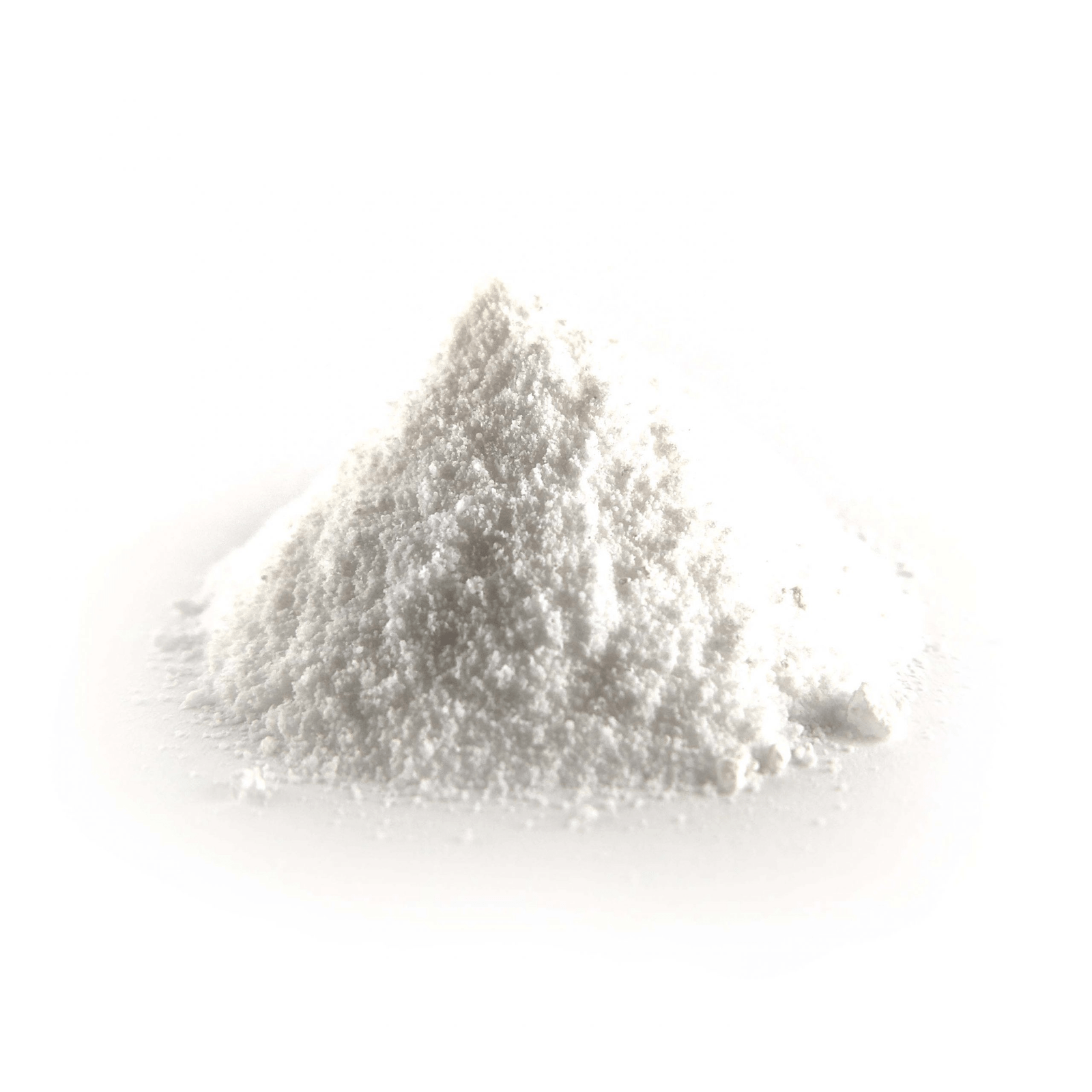
3-Me-PCE Powder
€35.00
Description
3-Cl-PCP: Chemical Information, Safety and Regulatory Considerations
What Is 3-Cl-PCP?
3-Cl-PCP, also known as 3-chlorophencyclidine or 3-chloro-PCP, is a synthetic dissociative substance in the arylcyclohexylamine chemical class. It is structurally related to phencyclidine (PCP), with a chlorine substituent at the third position of the phenyl ring.
The compound has been identified in forensic and analytical chemistry literature. However, the scientific evidence concerning its effects and toxicology remains limited. Its identity and potential hazards should not be inferred solely from a product label, physical appearance, or claims made by a supplier.
This article provides general educational information about 3-Cl-PCP, chemical documentation, safety considerations, and the importance of checking applicable regulations.
Chemical Identity and Classification
The systematic chemical name listed by PubChem is 1-[1-(3-chlorophenyl)cyclohexyl]piperidine. PubChem also lists the molecular formula as C₁₇H₂₄ClN and the molecular weight as approximately 277.8 g/mol.
These identifiers help distinguish the named compound in chemical databases. They do not establish the identity, purity, or composition of any particular physical sample.
Compounds with similar names can have different structures or forms. For example, a free-base compound and its hydrochloride salt are not identical material forms. Accurate identification therefore requires appropriate reference information and, where legally permitted, suitable analytical evidence.
Scientific Research and Available Evidence
3-Cl-PCP is associated with the broader group of PCP-related dissociative substances. Research into this class examines effects on the central nervous system and the potential for impairment and other adverse outcomes.
The evidence specific to 3-Cl-PCP is sparse. Published research includes forensic investigations and experimental work, but there is not a comprehensive body of human clinical evidence establishing its safety profile.
Consequently, claims about predictable performance, established industrial utility, or suitability for particular manufacturing processes should not be accepted without credible supporting data.
Analytical Documentation and Quality Assessment
Appropriate documentation helps laboratories evaluate chemical identity, traceability, and potential hazards. Requirements depend on the material, the laboratory’s quality system, and the applicable legal framework.
Certificate of Analysis (CoA)
A Certificate of Analysis documents test results for a specific batch. Depending on the material and the testing performed, it may include identity findings, measured values, analytical methods, and acceptance criteria.
A general claim of high purity is not equivalent to a verified analytical result. Purity percentages and physical specifications should only be reported when supported by reliable documentation relevant to the specific material.
Safety Data Sheet (SDS)
A Safety Data Sheet provides information about known hazards, protective measures, storage, emergency response, and other safety considerations.
Users should consult applicable safety documentation and qualified safety personnel before any legally authorized laboratory activity. Information for one chemical form should not automatically be assumed to apply to another form.
Traceability and Recordkeeping
Traceability records help link a material to its identity, batch information, and associated analytical documents. Laboratories should maintain records consistent with their procedures, quality requirements, and legal obligations.
A CoA or SDS does not, on its own, establish that possession, transfer, import, or use of a substance is lawful.
Safety Considerations and Potential Risks
3-Cl-PCP is a dissociative substance related to PCP. Compounds in this class can be associated with significant impairment, confusion, altered perception, and other serious adverse effects.
A 2026 publication in Drug Testing and Analysis investigated a fatal intoxication involving 3-chloro-PCP. This forensic report underscores the importance of taking the compound seriously, while one case alone cannot establish a complete toxicity profile or determine risk under every circumstance. Research publication
Important precautions include:
- Do not ingest or otherwise intentionally expose yourself to the material.
- Do not handle it without an appropriate risk assessment and legally authorized procedure.
- Keep potentially hazardous substances secured from unauthorized access.
- Follow applicable laboratory procedures for incident reporting and waste management.
- Seek urgent medical assistance if serious or unexpected exposure occurs.
Because the available evidence is limited, the absence of a documented hazard should not be interpreted as proof of safety.
Regulatory and Legal Considerations
The legal status of 3-Cl-PCP depends on the jurisdiction and can change over time. A substance may be covered by laws relating to controlled drugs, new psychoactive substances, analogue compounds, or other regulated materials.
The compound has appeared in forensic and regulatory information from different jurisdictions, but those records should not be interpreted as a universal statement about its present legal status.
Before any activity involving 3-Cl-PCP, check the current legislation and official guidance in the relevant country. Consider the rules applicable to possession, research, transfer, import, export, and disposal separately. If the legal position is unclear, seek advice from a qualified legal or regulatory professional.
An online description such as “research chemical” or “industrial chemical” does not create a legal exemption or establish that a particular use is authorized.
Responsible Chemical Information
Reliable chemical information should distinguish verified facts from assumptions and promotional claims. When evaluating information about a potentially hazardous substance, readers should:
- Confirm the chemical identity against reputable reference sources.
- Review relevant safety information and conduct an appropriate risk assessment.
- Evaluate batch-specific analytical records rather than relying on unsupported purity claims.
- Confirm applicable legal requirements with the relevant authorities.
- Avoid assuming a compound has established industrial applications without credible evidence.
WholesaleChemicalSuppliesEU.com can use educational resources to explain chemical terminology, laboratory documentation, analytical quality, and safety responsibilities. Any claims about specific products, testing services, or supply arrangements should be verifiable and consistent with applicable law.
Frequently Asked Questions
What does 3-Cl-PCP stand for?
3-Cl-PCP stands for 3-chlorophencyclidine, also called 3-chloro-PCP. It is a synthetic dissociative in the arylcyclohexylamine class.
Is 3-Cl-PCP the same as PCP?
No. They are structurally related compounds, but 3-Cl-PCP has a chlorine substituent on the phenyl ring. Similarity in chemical structure does not mean that two compounds have identical effects, risks, or legal status.
Is the safety profile of 3-Cl-PCP fully understood?
No. The available evidence is limited, and there is not a comprehensive human clinical safety profile. Uncertainty should be treated as a reason for caution, not as evidence that the substance is safe.
Does a Certificate of Analysis prove that a material is safe or legal?
No. A CoA reports analytical findings for a material. It does not establish that the material is safe for every use or that its possession, transfer, or use is legally permitted.
Is 3-Cl-PCP legal throughout Europe?
Do not assume that it is. Legal treatment can differ by jurisdiction and may change. Check current official requirements in the specific country concerned before undertaking any activity involving the substance.
Important Notice
This article is provided for general educational and chemical-safety information only. It is not medical or legal advice and does not recommend human or animal consumption or establish that 3-Cl-PCP is suitable or lawful for any particular application. Consult qualified professionals and the relevant authorities before undertaking regulated activities.
8 reviews for 3-Me-PCE Powder
Related products
-

MXPr Powder
€39.00 Add to cart -
DMXE Pellets – 40mg
Price range: €16.00 through €72.50 Select options This product has multiple variants. The options may be chosen on the product page -

3-CL-PCP Crystal
€36.00 Select options This product has multiple variants. The options may be chosen on the product page -
2F-Ketamine Spray 15%
Price range: €59.95 through €449.50 Select options This product has multiple variants. The options may be chosen on the product page
Unai Maes –
Updates arrived on time, and the delivery timeline was easy to follow. Packaging was neat and secure.
Marek Popov –
Todo funcionó como esperaba. Sin problemas durante el pedido ni la entrega.
George Oliveira –
Everything moved along smoothly, and the delivery timeline was easy to follow. Updates made the process easy to follow.
Simone Kovac –
Everything moved along smoothly, while communication stayed consistent. Customer support was quick to respond.
Carlos Ricci –
Tracking was accurate, with clear communication throughout. The package arrived on schedule.
Adam Hernandez –
Overall a great experience. The product arrived well packed, worked exactly as described, and the ordering process was smooth from start to finish.
Milos Larsson –
Fast shipping, clear communication, and a solid product. I would definitely consider ordering again in the future.
Felix Conti –
The process was simple, with timely confirmation messages. The delivery experience was smooth.