0
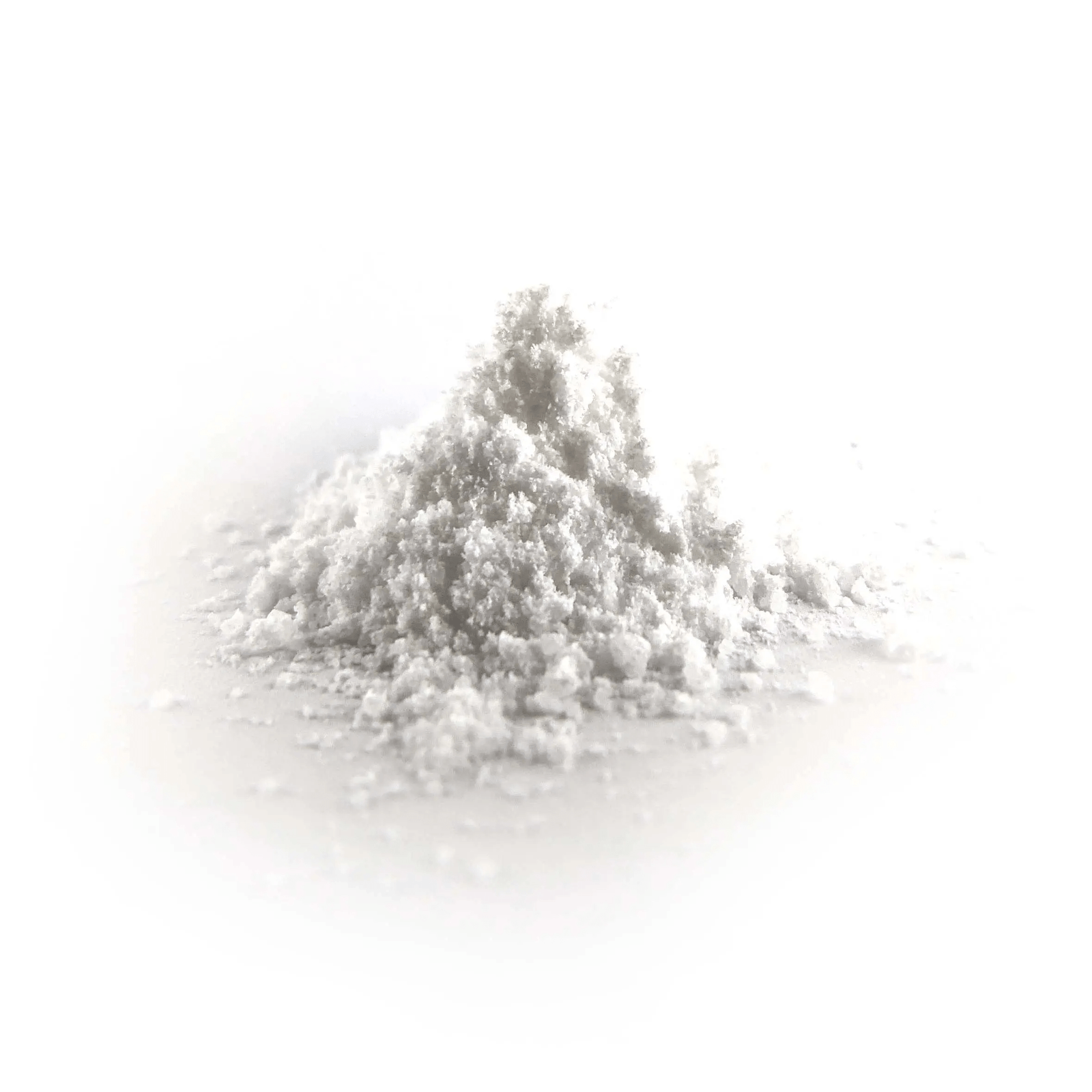
3-CL-PCP Crystal
€36.00
3-Cl-PCP Crystal
3-Cl-PCP, also known as 3-chlorophencyclidine, is a synthetic arylcyclohexylamine compound documented in chemical databases and forensic toxicology research. Its molecular formula is C₁₇H₂₄ClN, and its reported CAS Registry Number is 2201-32-3. Published research on this substance remains limited, making reliable chemical identification, analytical verification, safety assessment, and applicable regulatory review important. Product-specific purity, physical form, packaging, and documentation should be verified independently before any laboratory assessment.
Description
3-Cl-PCP Crystal: Chemical Information, Safety and Research Considerations
What Is 3-Cl-PCP?
3-Cl-PCP, short for 3-chlorophencyclidine, is a synthetic compound belonging to the arylcyclohexylamine chemical family. It is structurally related to phencyclidine (PCP), with a chlorine substituent at the third position of the phenyl ring. The compound is of interest in analytical and forensic toxicology because emerging psychoactive substances can present challenges for laboratory identification and interpretation.
According to PubChem, 3-chloro-PCP has the molecular formula C₁₇H₂₄ClN and a molecular weight of approximately 277.8 g/mol. Its listed CAS Registry Number is 2201-32-3. These identifiers provide a starting point for research, but they do not confirm the identity or composition of any particular sample.
Composition and Chemical Identity
The name 3-Cl-PCP refers to a defined molecular structure, not a guarantee of a product’s purity or physical characteristics. The identity of a sample described as a crystal should be established through appropriate analytical procedures rather than appearance alone.
For laboratory documentation, researchers should distinguish between the identity of the target compound and the measured composition of the material being examined. A product label or supplier description is not a substitute for independent verification. Where available, review the relevant safety data sheet (SDS), certificate of analysis (CoA), batch or lot identifier, and analytical method information.
No age, manufacturing date, shelf life, concentration, or batch-specific purity should be assumed unless supported by the actual product documentation.
Research and Analytical Context
Published information on 3-Cl-PCP remains limited compared with better-studied compounds. Research published in 2026 examined its metabolism in vitro and investigated a post-mortem toxicology case. This work illustrates the relevance of validated analytical methods when studying emerging substances and interpreting forensic findings.
Potentially relevant professional contexts include:
- Forensic toxicology: investigation of suspected exposure and analytical identification in appropriately authorized settings.
- Analytical method development: assessment of suitable instrumental approaches and reference data for identifying emerging compounds.
- Chemical reference research: comparison of documented identifiers and analytical findings.
- Scientific literature review: evaluation of available evidence, knowledge gaps, and limitations in published findings.
These are research contexts, not evidence that a particular sample is suitable for a specific method or that it has been independently verified. Research findings from one case should not be treated as a complete description of the compound’s effects or risks.
Safety Considerations
3-Cl-PCP is associated with substantial uncertainty because the available evidence is limited. A 2026 forensic publication investigated a fatal intoxication involving the compound. A single case does not establish every possible outcome, but it reinforces the importance of treating this substance as a serious toxicological concern rather than assuming it is safe.
This page does not provide dosing, administration, or human-use instructions. The material should not be used for human or animal consumption, and it should not be handled outside an appropriately equipped and authorized laboratory.
Before any legitimate laboratory work, personnel should consult the current SDS, complete a documented risk assessment, use suitable personal protective equipment, and follow institutional procedures for containment, accidental exposure, spills, and waste disposal. Avoid contact, inhalation, ingestion, and uncontrolled release. If exposure is suspected, seek urgent professional medical or poison-control guidance and provide the available chemical documentation.
Storage and Documentation
Storage conditions should be determined from the verified supplier documentation and relevant safety guidance. Do not assume a particular temperature, humidity range, container type, or shelf life without supporting information.
Maintain clear labels and records that include the chemical identifier, supplier or source, lot number, receipt date, relevant hazard information, and any analytical verification performed. Store materials securely with access restricted to trained and authorized personnel. Dispose of unused material through the applicable institutional and local hazardous-waste procedures.
Regulatory Considerations
The legal status of 3-Cl-PCP can vary by country and may change as new psychoactive substances are assessed. Before acquiring, possessing, transporting, importing, exporting, or conducting research involving a substance, verify the current rules with the competent national authority and your institution’s compliance team. Do not assume that a research label makes a substance exempt from controlled-substance or chemical-safety legislation.
Important Product Verification Notes
The chemical identity described in public databases does not independently establish the composition of a specific commercial sample. Information such as purity, concentration, package contents, country of origin, licensing, certification, and expiry date should be published only when supported by current, product-specific documentation.
WholesaleChemicalSuppliesEU should use transparent documentation and avoid presenting unverified specifications or certifications as established facts. Customers and laboratory personnel should rely on the applicable official documents and legal requirements for their jurisdiction.
Research and safety notice: This content is for educational, chemical-identification, and laboratory-safety information. It is not medical advice, a product purity guarantee, or authorization to possess or use a controlled substance.
Additional information
| Quantity in 0.5grams | 2 |
|---|
8 reviews for 3-CL-PCP Crystal
Related products
-

3-HO-PCE Powder
€35.55 Add to cart -

3-Me-PCP Powder
€35.55 Add to cart -
O-PCE Powder
Price range: €48.00 through €1,900.00 Select options This product has multiple variants. The options may be chosen on the product page -

MXPr Powder
€39.00 Add to cart
Giorgio Romano –
The ordering steps were intuitive, while information remained easy to understand. Packaging was neat and secure.
Joao Wagner –
The ordering steps were intuitive, with timely confirmation messages. The entire process felt dependable.
Sebastian Babic –
Sono molto soddisfatto di questo prodotto. Qualità elevata e spedizione rapida.
Giorgio Tremblay –
Overall a great experience. The product arrived well packed, worked exactly as described, and the ordering process was smooth from start to finish.
Francisco Jensen –
Updates arrived on time, and every step felt well managed. Delivery matched the expected timeframe.
Jan DeJong –
Getting started was effortless, and every step felt well managed. Updates made the process easy to follow.
Michael Visser –
Placing the order was quick, with timely confirmation messages. Packaging was neat and secure.
Jakob Pereira –
Good quality and reliable service. I’ve ordered similar products before and this one met my expectations without any issues.